

Food Hall in Atlanta GA: Why Neighborhood-Driven Spaces Are Leading the City's Dining Scene
By SFS / December 29, 2025
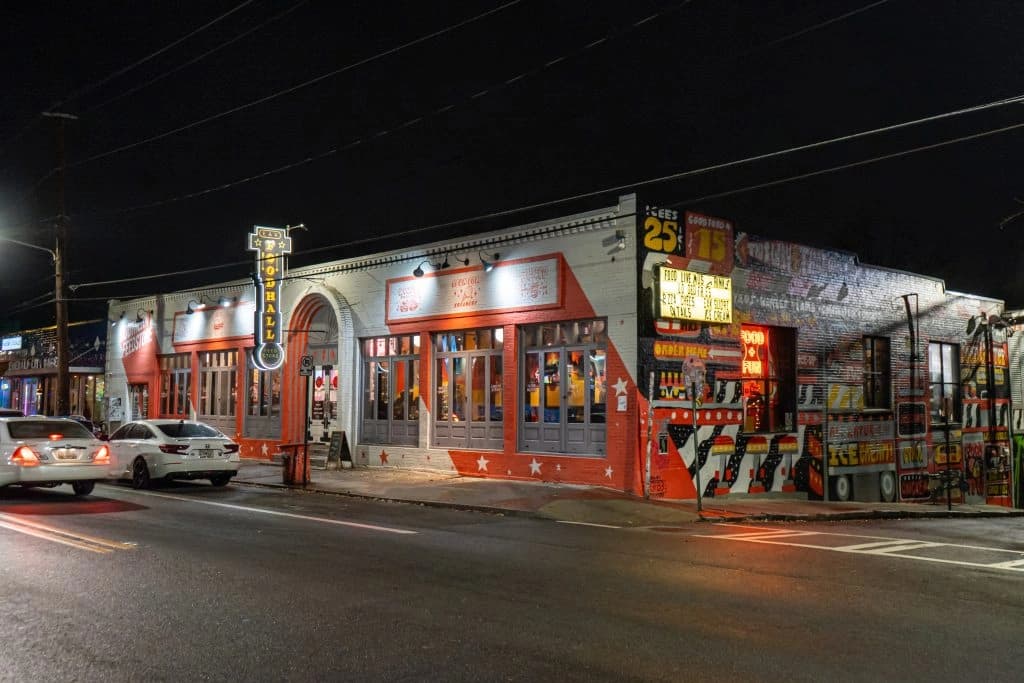
Atlanta's dining culture has always been shaped by diversity, of neighborhoods, cuisines, and people. In recent years, that diversity has found a natural home in the food hall format. But not every shared dining space feels the same. The most compelling examples of a food hall in Atlanta GA aren't defined by scale or polish; they're defined by how deeply they connect to their surroundings.
Across the city, food halls have evolved into social anchors. They're places where locals meet after work, where chefs test ideas without compromising identity, and where eating becomes a collective experience rather than a transaction. Atlanta has embraced this model not as a trend, but as an extension of how the city already lives and eats.
What Makes a Food Hall Work in Atlanta
A successful food hall in Atlanta GA reflects the rhythm of the neighborhood it serves. In a city made up of distinct pockets, each with its own personality, food halls thrive when they feel local rather than imported.
The strongest spaces balance variety with intention. Instead of dozens of interchangeable stalls, they focus on a tight lineup of independent vendors with clear points of view. This allows guests to move easily between concepts while still feeling the identity behind each kitchen. It's less about choice overload and more about curated contrast.
Atmosphere plays an equally important role. Atlanta food halls that work well invite people to stay: communal tables, music, outdoor areas, and programming that encourages repeat visits. They're not designed for a quick pass-through; they're built for lingering.
The Role of Community in Atlanta Food Halls
One reason the food hall in Atlanta GA concept has gained traction is its ability to bring communities together. These spaces naturally encourage shared experiences, friends splitting dishes, strangers striking up conversations, families gathering across generations.
Southern Feedstore in East Atlanta Village is a strong example of this neighborhood-first approach. While it functions as a food hall, it also operates as a social space, blending food, a full bar, and live music into one cohesive environment. Rather than positioning itself as a destination removed from its surroundings, it feels integrated into daily life in the neighborhood.
That sense of belonging is increasingly important in a growing city. As Atlanta expands, food halls have become places where local identity is preserved and expressed through food.
Why Independent Vendors Matter
Another defining trait of a memorable food hall in Atlanta GA is its commitment to independent operators. These vendors bring personal stories, regional influences, and hands-on cooking to the table. Their presence gives food halls credibility and depth.
From globally inspired street food to Southern comfort classics, Atlanta's food halls often mirror the city's cultural makeup. This variety isn't performative: it's practical, rooted in the way Atlantans actually eat. The result is a dining environment that feels dynamic without feeling forced.
Food Halls as Cultural Spaces
Food halls in Atlanta increasingly act as cultural venues. Live music, pop-ups, and community events turn them into gathering places that extend beyond mealtimes. This crossover between dining and culture reinforces their role as modern public squares.
In neighborhoods like East Atlanta Village, these spaces help sustain local creative scenes by providing accessible platforms for musicians and artists. Food becomes the entry point, but connection is the outcome.
The Future of the Food Hall in Atlanta GA
As Atlanta continues to grow, the food hall format will likely remain central to how the city eats. But the most successful examples won't be the biggest or newest, they'll be the ones that stay rooted in local voices.
A strong food hall in Atlanta GA doesn't try to impress through spectacle. It earns loyalty through consistency, personality, and community presence. Whether it's a long lunch, a late drink, or a night built around music and shared plates, these spaces reflect Atlanta at its most social.
And that's exactly why they matter.